

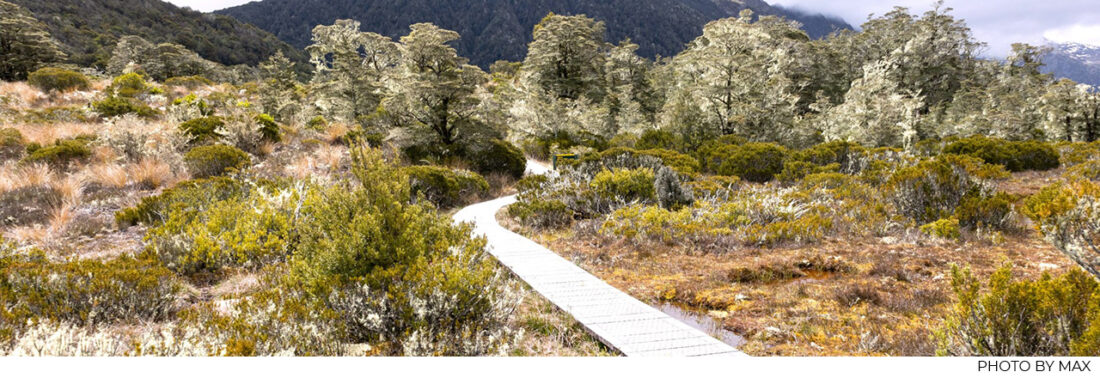
Appreciating the landscape of your work and career
More than ever work and careers are being impacted from many different quarters. It’s important that we find fresh and more effective ways of thinking about how our unique career situations are changing under the pressure from influences like these:
- Though generative AI is attracting a lot of attention at the moment, it’s just the tip of the iceberg especially for knowledge workers.
- In NZ about 25% of people over 65 are in paid work – one of the highest ratios in the world (1).
- Last year Hays New Zealand noted amongst top trends an increase in people-focused workplace cultures. While not new, adjusting to this is now an imperative with workplaces becoming more collaborative and diverse within evolving hybrid work models.
These trends are predicted to accelerate and demand higher levels of soft-skills – leadership, communication, self-management, problem solving.
Question for you …
If these are some of the facts and future work trends, how are they landing for you specifically – remembering that you are the only person facing your particular career future?
Many people struggle with constructing meaningful working lives in the face of this complexity. While it’s still relevant to be aware of your skills, values, strengths etc., these traditional measures are no longer enough.
We all need broader ways of thinking about our careers. Perspectives that coherently incorporate our deeper desires for truly satisfying work and careers – that acknowledge our aspirations, sense of purpose and desire to contribute. Check out our earlier post “An unexpected boost to career progress” developing an insight from Paddington Bear.
What about the vision you may have for yourself, your whanau and sustainability? And what about having some fun, joy and excitement with work? All these are at the very heart of what really matters. They outweigh the mechanistic factors traditionally influencing career direction and progression.
Landscape metaphor …
Appreciating “the landscape of your career” can be a great place to start looking for this broader perspective. Because this metaphor is totally personalised, it can deliver practical insights, fresh perspectives, and alternative ways to proceed specific to your situation right now, helping you prioritise and make decisions that better reflect who you are.
The landscape of your career is an amazing mix of moving and fixed parts – just like a natural landscape – and it’s much more about journeys than destinations.
At a recent workshop using this approach – appreciating the landscape of your work and career – we invited participants to map the features and qualities of a real outdoor landscape onto the landscape of their individual careers. The workshop, which was set in a beautiful natural environment, began with a walk in nature.
Here’s what some participants said they most appreciated (edited for anonymity):
- It was very useful to visualise my working future using ideas from a natural landscape, rather than just sitting in an office.
- Daily small steps are the building blocks of progress – expressing who I am, the heart of feeling satisfied.
- Being quiet and letting my thoughts take up more of an overview perspective.
- Everything is connected – finding parallels between connections in nature and the connectedness of parts of my own career.
Walk …
So, take a walk. Not just around the block with the dog before dinner. Aim to get away from houses and developed areas. Take a reflective walk in a real natural landscape like a local park. Do it in silence for half an hour or so, moving slowly. It’s not a workout and try leaving your ear-pods at home.
Notice …
Walk where you are surrounded by nature’s qualities so that you can notice freshness, growth, beauty, connectedness, quiet, expansiveness. As you walk ask yourself questions to help you concentrate and expand your thinking. For example, how does the landscape in front of you, and your perspective on it, change as you move forward? New things come into view as others move out of sight.
What do you hear? Appreciating stillness can help you listen for more thoughtful and intuitive insights.
Notice the difference between what is close by and far off – the high points, bridges, paths, valleys etc. Take in the ways forward and around, the hazy things in the distance, and the amazing details at your feet.
- Thinking about a few of these features, what do they mean to you?
- The landscape is seamless; everything connects. What connectors can you see: paths, streams, valleys, mountain ranges?
- Which features trigger your curiosity? What is it about them? What do you make of that?
Note too how you can choose to focus on different aspects of the landscape in front of you: colours, light, sounds, the wind, or the temperature. You can also observe how you feel about different aspects of the landscape. The list is wide open.
Think …
Once you get back to base, think about the landscape of your actual career. Do this straight after your walk so that the ideas are fresh. You might want to start by answering “What does the landscape of my career look like right now?” Perhaps there are wellbeing issues, values and aspirations that hardly see the light of day in your normal decision making. These may lead you to prioritise differently or see something important but overlooked.
Here are some questions to open your thoughts a little further:
- What work and career issues are right in front of you that you need to address?
- Where is your path currently heading? Short, medium and long term? Is it obscured or clear?
- What high points do you see? Do any call to you? What excites you?
- Is there another path nearby that has caught your eye, even if you can’t quite make out where it’s headed?
- What would you like to change? What influence do you want to have on this landscape?
- If you were not worried about where your career is headed what would you like to be doing?
Act …
Thinking about the landscape of your career and work is a necessary step before you act. But act you must, because real progress requires you to do something. Every step – no matter how small – moves you along the path and changes the scene before you. What is the next step for you?
Some of the effectiveness questions in our previous post may help – see “Strategy 3” in particular.
Help is at hand …
Career coaching makes it easier to find your way through a changing landscape. Feel free to contact us – we are very happy to discuss options, no obligation.
Have a great Summer!
Max and Frances